At a Glance
- What
- US Customs and Border Protection detained shipments of Bitmain's newest Antminers at US ports
- When
- Starting around September 2024; releases began slowly in early 2025
- Scale
- Roughly 10,000 miners; at least seven companies publicly confirmed disruptions
- Reported reason
- An FCC related investigation into a chip design firm founded by a Bitmain co founder, not counterfeit or unsafe hardware
- Cost example
- One importer reported more than $200,000 in storage and holding fees on 200 units
What Happened
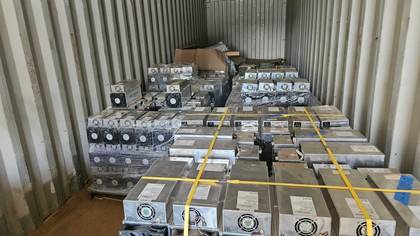
Starting around September 2024, US Customs and Border Protection began detaining shipments of Bitmain's newest Antminers at ports around the country, reportedly at the request of the FCC in connection with an investigation into a chip design firm founded by a Bitmain co founder. Roughly 10,000 miners were caught up in the detentions. At least seven companies publicly confirmed disruptions. One importer reported more than $200,000 in storage and holding fees on a shipment of just 200 units. Releases began in early 2025, slowly, with industry executives saying released shipments were still the minority months in.
According to the reporting cited below, the machines were not accused of being counterfeit or unsafe. The detentions were tied to a regulatory review aimed at chip supply chains.
Why I Follow This Story
I follow this story because it shows how a delay outside anyone's operations can still carry a large cost. Mining hardware produces revenue only when it runs. Network difficulty tends to rise over time, and each machine has a limited economic life measured in a few years. A miner that waits at a port for four months misses that revenue period and loses resale value even if it arrives in perfect condition.
The detentions also drew attention to how purchase agreements handle import risk. This industry relies on hardware built overseas around chips from a small number of foundries, during a period when governments are actively reviewing chip supply chains. Delivery problems have come up in other forms too: in Coinmint v. Katena a $150 million order produced no deliveries at all.
What Incoterms Allocate
Incoterms are standard shipping terms published by the International Chamber of Commerce. A short code on the invoice sets the point where cost and risk pass from seller to buyer, and which side handles export and import clearance. Under EXW (Ex Works), the buyer takes on nearly everything from the seller's door. Under FOB (Free On Board), risk passes once goods are loaded on the vessel at the port of shipment. Under DAP (Delivered at Place), the seller delivers to a named destination, but the buyer handles import clearance. Under DDP (Delivered Duty Paid), the seller handles import clearance and duties as well.
Incoterms do not settle every question a detention raises, such as refunds or cancellation rights. Those depend on the rest of the purchase agreement.
Issues This Case Raises
- Who carries customs delay. Sellers and buyers can take different views on whether a government detention is a delivery failure, a force majeure event, or a risk that had already passed to the buyer under the shipping terms.
- Delivery remedies. Some purchase agreements include delivery windows, late delivery credits, cancellation rights after a defined delay, or deposit refund terms. Others state a target date only. How a target date without a stated remedy is treated is a question for the contract and the governing law.
- Downstream commitments. Buyers who had reserved hosting space or power for arriving machines faced costs during the detentions. Hosts and buyers can disagree on how hosting fees apply while machines are delayed, and whether those costs can be recovered from anyone depends on the agreements involved.
- Measuring the loss. Claims tied to delays often involve hashprice during the delay, fees invoiced, and changes in machine prices. Parties can disagree on which inputs and time periods apply.
The record in one sentence
Roughly 10,000 Antminers were held at US ports in a review not tied to counterfeit or safety claims, and the cost of that delay fell under whatever purchase and shipping terms each buyer had.
When a delay turns into a claim, damages analysis usually looks at lost hashrate during the delay, hashprice, fees, and the change in machine value. That type of analysis is described on the bitcoin mining expert witness page.
Common Questions
Why did US Customs detain Antminers?
Starting around September 2024, Customs and Border Protection detained shipments of Bitmain's newest Antminers, reportedly at the request of the FCC in connection with an investigation into a chip design firm founded by a Bitmain co founder. The machines were not accused of being counterfeit or unsafe.
How many miners were held, and for how long?
Roughly 10,000 miners were caught up, and at least seven companies publicly confirmed disruptions. Releases began slowly in early 2025, and months later released shipments were still reported to be the minority.
Who pays storage fees when mining hardware is held at the port?
That is addressed by the shipping terms on the invoice, known as Incoterms, together with the rest of the purchase agreement. One importer reported more than $200,000 in fees on 200 units during the Antminer detentions.
What delivery terms appear in ASIC purchase agreements?
Some agreements include delivery windows, late delivery credits, cancellation rights after a defined delay, and deposit refund terms. Others give a target date without a stated remedy. Which terms apply depends on what the buyer and seller negotiated.
I was not involved in this case and I do not represent any party in it. Everything above comes from public court records, regulatory actions, and news coverage, cited below. This article summarizes the public record. It is not legal advice. Nothing here states an opinion on any standard of care or on any party's conduct.
Sources: Bitbo on the detentions, Cointelegraph on the releases
Evaluating a crypto dispute?
Aviran offers a no charge conflict check and initial case review. Available nationwide. See hourly rates.