Key Points
- A modern ASIC draws around 3,500 watts continuously, so connections carry heavy load with no idle time to cool.
- Common electrical issues include loose or undersized connections, voltage sag, breakers near their continuous rating, energization, and limited metering below the utility bill.
- PSU failures clustered on one circuit can point to an upstream cause, though other explanations are possible.
- Some operators keep single line diagrams, scheduled torque and infrared checks, load studies, and detailed labeling.
Understanding the Load
A single modern ASIC draws around 3,500 watts, roughly what a clothes dryer pulls, and it does it 24 hours a day, 365 days a year. A modest 10 megawatt site runs the continuous load of a small town through one building. I came up through traditional data centers, where electrical work is engineered, inspected, and documented in a formal way, and I come at this topic from operations. Mining sites vary widely in how they approach the same work. This post explains the main parts of the power chain and the kinds of problems that can show up in each one.
Common Electrical Issues
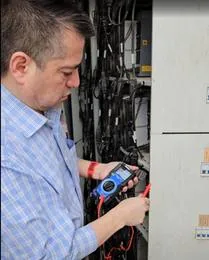
- Loose and undersized connections. A connection that is not torqued to spec, or a PDU with undersized contacts, can heat up under load. Heat causes oxidation, which raises resistance and causes more heat, and in time the connection can melt or arc. On a continuous 3,500 watt load there is no idle time for it to cool. Many sites use torque checks and thermal camera walks on a schedule to find hot spots.
- Voltage outside the hardware’s range. Miners are rated for a voltage range, and sag under load is one issue that can affect them. Undersized feeders, long cable runs, and heavily loaded transformers can show up as machines rebooting under full load or power supplies failing early. When PSU failures cluster on one circuit or section, an upstream electrical cause is one possibility. A bad batch of power supplies, heat, or dust in that area are others. The machine logs often hold clues, as covered in Antminer Error Codes Explained.
- Breakers near their continuous rating. The electrical code treats loads that run three hours or more as continuous, and its sizing rules for breakers and conductors include margin for that. A breaker that runs warm and trips on hot afternoons may be near its continuous rating, and heat around the panel also affects how breakers behave. Electricians and engineers typically look at load studies and panel temperatures to sort out which factor is involved.
- Energization and commissioning. Bringing megawatts online is usually handled as a commissioning process: phase checks, staged load testing, and verifying circuits under real draw. Power delivery dates, equipment schedules, and customer timelines all affect how long that process runs at a given site. When energization runs behind schedule, the timing of contracted power capacity can become a hosting contract question.
- Metering below the utility bill. The utility meter shows the total for the site. Branch or container level metering shows which section is drawing what, whether efficiency is changing, and how much power particular machines used. Without it, those questions are harder to answer from the monthly invoice alone. Billing questions over power were central to Celsius v. Core Scientific.
Practices Some Operators Use
- Single line diagrams kept up to date as the site changes.
- Torque checks and infrared scans on a written schedule, with results filed.
- Load studies before adding machines.
- Labeling so each breaker, PDU, and circuit can be traced quickly.
- Work by licensed electricians, with permits where local rules require them.
How far a site goes with these practices varies with its size, budget, local code enforcement, and the background of its team. The resulting records also give a picture of a site’s electrical history, which people can review alongside the hardware itself when they look back at a loss.
The short version
Mining turns electricity into hashrate through machines running at full load around the clock, so each part of the electrical chain, from connections to breakers to metering, affects how the machines run.
Explaining how electrical issues affect mining hardware is part of my work as an ASIC hosting expert witness. Heat is another factor in ASIC failures; see Hot Aisle Cold Aisle Containment.
Common Questions
How much power does one ASIC miner use?
A single modern ASIC draws around 3,500 watts, roughly what a clothes dryer pulls, and it runs 24 hours a day. A modest 10 megawatt site carries the continuous load of a small town.
What causes melted connectors and burned PDUs at mining sites?
Common causes include connections not torqued to spec and PDUs with undersized contacts. A loose connection heats, oxidizes, and heats more until it can melt or arc. Many sites use torque checks and scheduled thermal camera scans to find hot spots.
Why might ASIC power supplies fail on one circuit?
When PSU failures cluster on one circuit or section, one possible cause is upstream of the machines, such as voltage sag from undersized feeders, long cable runs, or a heavily loaded transformer. A bad batch of power supplies, heat, or dust in that area are other possibilities.
Why does a breaker trip on hot afternoons?
A breaker that trips on hot afternoons may be near its continuous rating, and heat around the panel also affects how breakers behave. The electrical code includes sizing margin for continuous loads, and load studies help show which factor is involved.
This article is general commentary on how bitcoin mining sites and hosting arrangements commonly work, based on industry practice and public information. It is not legal advice. Nothing here states an opinion on any standard of care or on any party’s conduct.
Evaluating a crypto dispute?
Aviran offers a no charge conflict check and initial case review. Available nationwide. See hourly rates.