What a Bitcoin Mining Expert Witness Does
A bitcoin mining expert witness explains to a court or arbitration panel how a mining operation actually works and examines what happened in the case at hand. The work usually comes down to three things: how the site and its hardware were operated, what the ASIC miners involved were worth on the dates that matter, and how much bitcoin the operation really lost. Aviran Vargas answers those questions from current, daily practice. He directs operations across more than 60 MW of live ASIC capacity, so his opinions rest on the same pool dashboards, power bills, and repair records he reads every week.
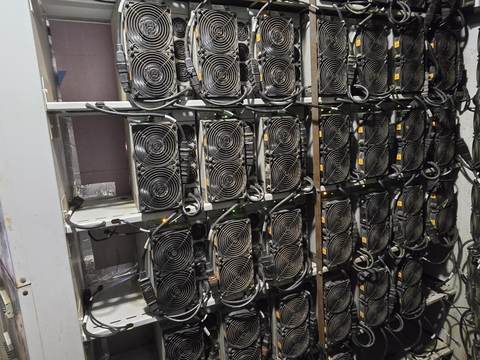
Live Mining Operations
Aviran directs operations across multiple bitcoin mining data centers and has scaled capacity to more than 60 MW. He manages pool selection, hashrate monitoring, profitability modeling against BTC price and hash price, firmware tuning, and end-of-life decommissioning.
That daily work is the basis for his opinions on how mining sites operate and what an operational record shows.
ASIC Hardware and Its Full Lifecycle
He has hands-on history with the three largest ASIC manufacturers: Bitmain (Antminer S19, S19 Pro, S19 XP, S21), MicroBT (WhatsMiner M30S through M70), and Canaan (Avalon). He has deployed, repaired, moved, and decommissioned this hardware and can speak to firmware, hashboard diagnostics, PSU compatibility, RMA processes, and real-world efficiency under different power and thermal conditions.
How Are Bitcoin Mining Damages Valued?
Mining damages figures are usually built from a small set of inputs: hashrate, uptime, network difficulty, block reward and fees, bitcoin price, and power cost. Each input can come from a contract figure or from the operational record, and that choice often explains why two damages figures for the same machines differ.
The records involved typically include pool payout and worker hashrate reports, uptime and curtailment logs, power invoices and meter data, the network difficulty and block reward for each day of the claim period, published bitcoin price data, and ASIC purchase, resale, and repair records when equipment value is in question. Aviran compares the assumptions in a damages model with that operational data, and can opine on the value of ASIC equipment and on lost production.
Inputs That Drive Mining Damages
Mining damages calculations depend on a handful of inputs. These are the ones Aviran reviews first. Either approach below can be appropriate, depending on the question and the data available.
| Input | Simplified approach sometimes used | Record based approach |
|---|---|---|
| Hashrate | Manufacturer nameplate TH/s for every machine | Measured hashrate from pool data, net of failed hashboards |
| Uptime | 100 percent, or a contract SLA figure | Actual uptime, including curtailment, maintenance, and outages |
| Network difficulty | Frozen at one date | The difficulty in effect on each day of the claim period |
| Block reward | Pre-halving reward carried forward | The subsidy in effect on each day (3.125 BTC since the April 2024 halving) plus actual fees |
| Bitcoin price | Peak price or the price at filing | The price on the day each coin would have been mined |
| Costs | Revenue only | Power, hosting fees, and pool fees subtracted |
| Hardware life | No degradation or failures | Real failure and RMA rates for that model and site |
Mining Disputes Aviran Works On
- Power and energy contracts: curtailment, demand response credits, and power cutoffs between hosts and miners. See Riot v. Rhodium and the Celsius and Core Scientific power bill fight.
- Hardware purchases that went wrong: non-delivery, late delivery, and machines that did not meet spec. See Coinmint v. Katena and Antminer customs detentions.
- Host failures and deposits: what happens to customer hardware and prepayments when a host fails. See Compute North and an equipment access dispute.
- Community and regulatory fights: noise, zoning, municipal shutdowns, and state mining ownership laws. See Granbury noise lawsuits and Niagara Falls.
- Site failure causation: heat, dust, humidity, and electrical faults. See dust, humidity, and corrosion.
Linked posts discuss public cases as commentary. Aviran was not involved in those matters.
Common Questions
What background does Aviran bring to bitcoin mining cases?
Direct, current operations experience. Aviran runs mining sites and manages ASIC fleets day to day, so his analysis of uptime, hardware, and damages comes from day-to-day operating experience.
Do you work for plaintiffs or defendants?
Both plaintiffs and defendants. Aviran provides the same fact-based analysis regardless of who retains him.
How do you calculate lost bitcoin mining revenue?
Where the records allow, the calculation starts with the hashrate the machines actually produced, applies uptime including curtailment, uses the network difficulty and block reward in effect on each day, applies the pool fee and the price of bitcoin on the day it would have been mined, and subtracts the power that would have been paid. Where records are missing, the gaps and the assumptions used to fill them are stated.
Can you value ASIC miners as of a past date?
Yes. Aviran values specific models such as the Antminer S19 Pro, S21, and WhatsMiner M50 series as of the date that matters in the case, using hash price, efficiency, condition, and the secondary market at that time.
Evaluating a crypto dispute?
Aviran offers a no-charge conflict check and initial case review. Available nationwide. See hourly rates.