Pros and Cons at a Glance
- Examples
- Braiins OS+, VNish
- Main benefit
- Per chip autotuning; efficiency gains of 5 to 15 percent are commonly reported
- Other benefits
- Underclocking, overclocking, direct fan control, immersion profiles, fast power down for curtailment
- Warranty
- Bitmain’s warranty terms treat unauthorized firmware as grounds to refuse coverage
- Other costs
- A development fee of about 2 percent of hashrate, bricking risk, and possible faster aging when overclocked
- At a hosting site
- Firmware authority is usually set by the hosting agreement; agreements vary
What Third Party Firmware Actually Does
Stock firmware from the manufacturer runs every machine the same way, with conservative settings chosen for the whole fleet. Aftermarket firmware such as Braiins OS+ or VNish replaces that software and unlocks tuning. The headline feature is autotuning: the firmware tests each individual chip and gives stronger chips more work and weaker chips less. Silicon varies, even within one machine, and per chip tuning aims to capture efficiency that stock settings leave unused.
The practical benefits are described by the vendors and widely discussed by users. Operators can underclock for efficiency when power is expensive or margins are thin, overclock when conditions allow, control fans directly, run immersion profiles, and power down quickly for curtailment programs. Efficiency improvements in the range of 5 to 15 percent are commonly reported. Since power is often the largest operating cost in mining, gains in that range can be meaningful.
The Trade Offs
- Warranty status. This is the most discussed trade off. Bitmain’s warranty terms treat unauthorized firmware and modified operating parameters as grounds to refuse coverage. For a machine still under warranty, flashing involves weighing the remaining coverage against the expected tuning gains.
- Development fees. Most third party firmware is funded by taking a small share of hashrate, typically around 2 percent, mined to the developer. Operators usually net this out when comparing gains.
- Bricking risk. Newer stock firmware is locked and signed, and installing aftermarket software can require SD card flashing or board level steps. A failed install can leave a machine needing bench repair, and at fleet scale an untested process can affect many machines at once.
- Hardware aging. Overclocking raises heat and electrical stress, which can shorten hardware life. Underclocking works the other way and is often associated with lower stress on components. Which way an operator leans usually depends on power price, hashprice, and how long the machines are expected to run.
Firmware at Hosting Sites
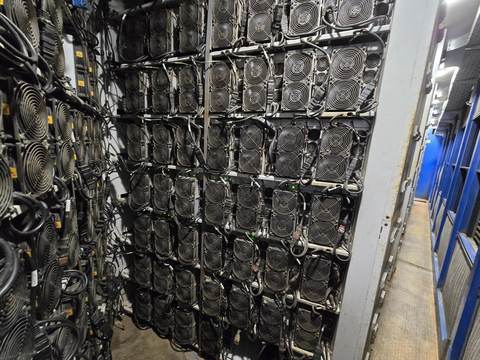
At a hosting site, the machines usually belong to the customer while the host runs the facility. Firmware affects more than performance. It can change a machine’s warranty status, its insurance position, its power draw, its heat output, and its failure modes. For that reason, who may change firmware is usually set by the hosting agreement, and agreements vary. Some give the owner sole authority, some allow the host to apply firmware under defined conditions, and some say nothing specific.
Firmware has also come up in public litigation. In a Texas bankruptcy case, Bitmain alleged that a US host damaged its machines with unauthorized software and firmware. Those are allegations, and their outcome is a matter for that proceeding.
Records that commonly come up around firmware include:
- Firmware logs. Some hosts keep a log per serial number showing what was flashed, when, by whom, and under what authorization.
- Written authorizations. Some agreements or work orders name the specific firmware and settings approved for a fleet.
- Machine data. The firmware version and settings a machine is running can often be read from the machine itself and from its logs.
In short
Third party firmware is a widely used tool with measurable benefits. It also changes a machine’s warranty and financial position, which is why many hosting agreements address it directly.
Questions about what firmware a machine ran, and who approved it, can involve machine logs, host records, and the hardware itself. For more on hosting matters, see the ASIC hosting expert witness page.
Common Questions
Does custom firmware void the Antminer warranty?
Bitmain’s warranty terms treat unauthorized firmware and modified operating parameters as grounds to refuse coverage.
How much more efficient is Braiins OS+ or VNish?
Efficiency improvements in the range of 5 to 15 percent are commonly reported, mostly from per chip autotuning and underclocking. Most of these firmwares charge a development fee of around 2 percent of hashrate, which is usually netted out when comparing results.
Can flashing third party firmware brick an Antminer?
It can. Newer stock firmware is locked and signed, and installing aftermarket software can require SD card flashing or board level steps. A failed process can leave machines needing bench repair, and at fleet scale it can affect many machines at once.
Can a host change the firmware on hosted miners?
It depends on the hosting agreement; many address firmware authority expressly. Because firmware can affect warranty status, insurance position, power draw, and failure modes, some agreements also provide for a firmware log per serial number.
This post is general commentary on mining site operations, not legal advice. Nothing here states an opinion on any standard of care or on any party's conduct.
Sources: Bitmain product warranty terms, Braiins OS+ autotuning
Evaluating a crypto dispute?
Aviran offers a no charge conflict check and initial case review. Available nationwide. See hourly rates.