Key Points
- An air cooled ASIC exhausts air that is often 30 or more degrees hotter than the air it takes in.
- When hot exhaust recirculates to the intakes, machines can throttle, shut down, or wear faster.
- Common design approaches include blanking gaps in the wall of machines, sizing exhaust paths for peak airflow, and planning building pressure.
- Many operators measure intake temperature at the rack level rather than with a single room sensor.
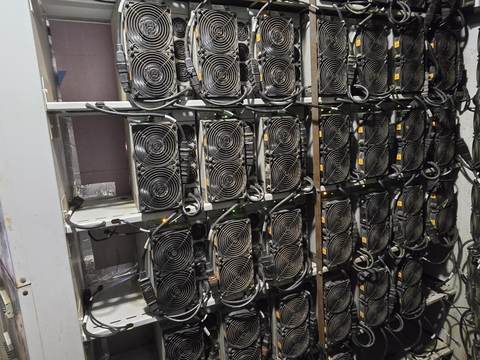
The Simple Physics
An air cooled ASIC is a fairly simple thermal machine. Cool air comes in the front, picks up heat from the hashboards, and leaves the back much hotter. An Antminer class machine might take in air at 75 degrees and exhaust it 30 or more degrees hotter. Multiply that by thousands of machines and a mining site starts to look like a giant air handler that also happens to compute.
The central design question is where the hot exhaust goes. It can leave the building, or it can curl back around and get pulled into the intakes again. When it recirculates, intake temperatures climb, fans spin harder, and chips may throttle. For that reason, many facilities separate the two air streams: a cold aisle in front of the machines, a hot aisle behind them, and a physical barrier so the main path from hot to cold runs through the outdoors or through cooling equipment.
Containment ideas come from traditional data centers, where blanking panels in empty rack slots, brush seals on cable cutouts, and doors on the aisles are common. Mining sites can run many times the power density of an enterprise data hall, so small airflow leaks can have a larger effect. More on what carries over from that world in Data Centers vs. Mining Sites.
What Recirculation Can Do to Machines
- Heat related shutdowns. Antminer firmware is designed to throttle or shut down when board temperatures pass set limits. A site with recirculation can see clusters of thermal shutdowns on hot afternoons, which appear in the logs as temperature faults and in revenue reports as lower hashrate. The error codes are explained in What Your Antminer Is Trying to Tell You.
- Hardware aging. Heat is one of several factors that age electronics. Fans wear faster at higher speeds, thermal paste and pads can dry out, and solder joints go through more heat cycles. Fleets that run at elevated intake temperatures tend to show more fan and hashboard wear over time, although manufacturing variation, power quality, dust, and humidity also play a part.
- Fan power. Fans ramping up to fight recirculated heat draw extra power without adding hashrate. Since power is often the largest operating cost for a mining site, operators tend to track this closely.
Common Design Approaches
The approaches below are ones many operators use, whether the site is a warehouse, a container, or a purpose built building. The mix at any site depends on its layout, climate, and budget.
- Sealing the plane between cold and hot. The wall of machines acts as the barrier. Gaps in that wall, such as empty rack slots, space above the top row, and openings at the ends of rows, can let hot air leak back. Many sites fill them with blanking material, which is one of the lower cost airflow measures.
- Sizing the exhaust path. Air needs somewhere to go. Undersized exhaust openings can pressurize the hot aisle and push air back through any gap. Designers often size exhaust openings and fans around the full airflow of every machine at maximum fan speed on a hot day, plus some margin.
- Planning building pressure. Some designs pressurize the cold side, and others pull negative pressure on the hot side.
- Measuring at the intake. A single room sensor can miss local hot spots. Many operators place sensors across the intakes so temperature differences between racks show up in the data.
- Winter operation. In cold climates, many sites recirculate a controlled amount of warm exhaust on purpose to keep intake air warm and dry enough. A designed winter recirculation damper is different from an unplanned leak.
What the data can and cannot show
Airflow layouts, sensor logs, and failure patterns are some of the records that describe how a site’s environment behaved over time. Sensor placement, calibration, and gaps in logging all affect what the numbers can show.
Heat is one half of the environmental picture; the other is dust, humidity, and corrosion. For more on how these topics come up in hosting matters, see the ASIC hosting expert witness page.
Common Questions
What is hot aisle and cold aisle separation at a mining site?
It is a layout where machines take in cool air from a cold aisle and exhaust into a hot aisle behind them, with a physical barrier between the two. The aim is for the main path from hot back to cold to run through the outdoors or through cooling equipment.
What happens if hot air recirculates into ASIC intakes?
Intake temperatures rise, fans spin harder, and chips may throttle. Antminer firmware is designed to shut machines down when boards pass set limits. Over time, higher temperatures can add to fan and hashboard wear.
What are common ways sites improve airflow?
Common approaches include blanking gaps in the wall of machines, sizing exhaust paths for peak airflow, planning building pressure, and adding intake temperature sensors at the rack level.
Do mining sites ever recirculate hot air on purpose?
Yes, some cold climate sites do. A designed winter recirculation damper mixes a controlled amount of warm exhaust into the intake to keep the air warm and dry enough.
This post is general commentary on mining site operations, not legal advice. Nothing here states an opinion on any standard of care or on any party's conduct.
Evaluating a crypto dispute?
Aviran offers a no charge conflict check and initial case review. Available nationwide. See hourly rates.